11 foods to avoid with Crohn’s disease
Crohn’s disease is an inflammatory bowel disease (IBD) that causes chronic inflammation in the lining of the digestive tract, from the stomach to the anus. Although its primary cause is unknown, experts believe the condition may result from an autoimmune response. Crohn’s is treated with the help of various therapies, but patients are also advised to follow a healthy meal plan. This includes avoiding specific food categories that trigger inflammation and worsen Crohn’s flare-ups.
Whole grains
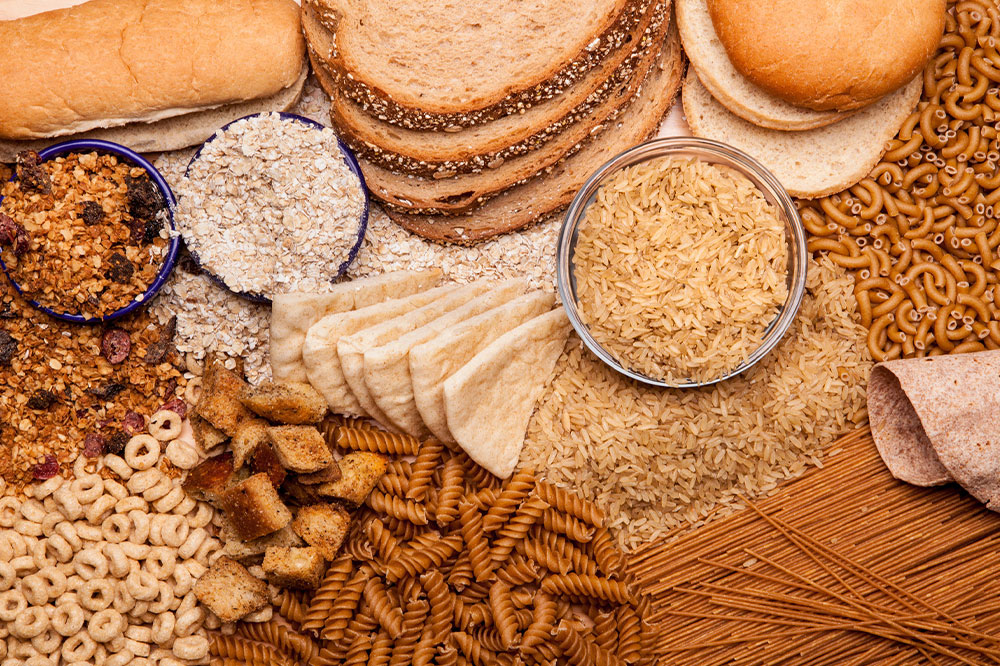
Whole grains are a generally healthy source of fiber and nutrients and a staple in many kitchens. However, they can worsen Crohn’s symptoms like diarrhea and abdominal pain and create a lot of unrest in the gastrointestinal tract. So, during a flare-up, one must avoid high-fiber whole grains like barley, popcorn, rye, and wheat. Instead, patients can turn to rice, rice pasta, potatoes, cornmeal, polenta, oatmeal, and gluten-free bread for their daily dose of carbs.
Beans
Beans are incredibly nutritious and an excellent vegetarian source of protein. However, they are also rich in insoluble fibers and are notorious for causing gas. Further, they contain lectin, a compound that can be hard to break down, causing inflammation and worsening one’s symptoms during a flare-up.
FODMAP fruits
Fruits high in short-chain carbohydrates like fermentable oligo-, di-, monosaccharides, and polyols (together known as FODMAPs) have been reported to worsen the symptoms of Crohn’s, like diarrhea and bloating, during a flare-up. Some high-FODMAP fruits include watermelon, mango, apples, pears, figs, and avocados. One may avoid these and opt for fruits like cantaloupe, canned pears, or processed alternatives like applesauce. It is important to note that FODMAP fruits do not affect everyone with Crohn’s. Still, reducing their intake during a flare-up can ease symptoms. During remission, it is recommended to maintain a balanced intake of fruits to ensure the body receives the optimal amount of vitamins, minerals, and antioxidants.
FODMAP vegetables
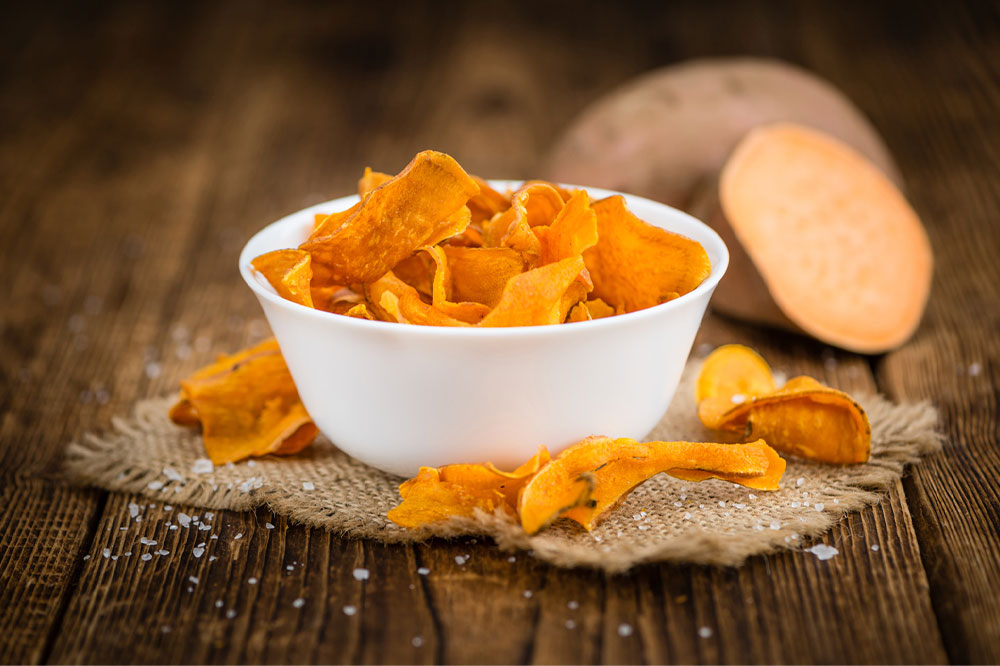
Like fruits, vegetables can be divided into low- and high-FODMAP categories. During a flare-up, individuals should avoid high-FODMAP vegetables, such as artichokes, onions, garlic, cauliflower, mushrooms, sweet potatoes, and zucchini. Avoiding certain fiber-rich cruciferous vegetables, such as cabbage, broccoli, and Brussels sprouts, is also advisable. Due to their high fiber content, these options are especially harmful when eaten raw or with the skin and seeds during a flare-up. While staying away from these, patients may opt for low-FODMAP vegetables, like spinach, squash, pumpkin, bell peppers, and potatoes.
Spices
Spicy foods can irritate the stomach lining, worsening the symptoms during a flare-up. Hence, individuals should say no to spices like allspice, black pepper, cayenne pepper, chili powder, jalapenos, garlic, paprika, and wasabi. Instead, one can turn to gut-healthy spices and herbs like turmeric, ginger, chives, cumin, and mustard. According to certain research studies, the active ingredient of turmeric, curcumin, has been associated with reducing inflammation during Crohn’s flare-ups.
Nuts and seeds
Although a rich source of protein, healthy fats, fiber, and minerals, the body finds it hard to break down and digest nuts and seeds. This can irritate the gastrointestinal tract, worsening the symptoms during a Crohn’s flare-up. Almonds, cashews, walnuts, hazelnuts, flaxseeds, chia seeds, hemp seeds, and sunflower seeds are a few nut and seed varieties to avoid to manage the condition better.
Caffeine
Research on the effects of caffeinated beverages like tea and coffee on Crohn’s disease has been inconclusive. However, a few studies indicate that caffeine can trigger a wave-like motion in the gastrointestinal tract, propelling waste through the digestive system. This can worsen diarrhea during a flare-up and also cause dehydration. Some people can handle caffeine in small amounts, such as a cup in the morning, but it is best to check with a doctor. A few experts recommend ensuring a one-to-one hydration ratio, where one drinks 8 to 12 oz. of water for every cup of coffee. Ideally, it is best to limit coffee intake during a flare-up or switch to decaffeinated drinks like herbal tea.
Artificial sweeteners
Non-caloric artificial sweeteners (NAC) can cause an imbalance in the bacterial levels in the stomach. This is also known as dysbiosis, and it can worsen Crohn’s symptoms like gas, bloating, and inflammation. Artificial sweeteners are commonly used in frozen desserts, yogurt, candies, baked goods, chewing gums, breakfast cereals, gelatins, and puddings.
Dairy products
Many with Crohn’s disease are also lactose intolerant. Lactose is a type of sugar commonly found in dairy products, which can be challenging to digest, causing abdominal pain and diarrhea. Avoiding dairy products like milk, butter, margarine, ice cream, sour cream, and cheese can help manage Crohn’s flare-ups better. If one is keen on consuming dairy products, they should opt for low-fat varieties and keep their intake to a bare minimum.
Saturated fats
Fried and greasy foods have a high cholesterol and fat content, which can worsen Crohn’s symptoms like cramping and diarrhea during a flare-up. Some everyday foods rich in saturated fats include sausages, butter, lard, cream, biscuits, and palm oil. Instead of these, patients can opt for foods rich in unsaturated fats (omega-3 fatty acids), such as salmon and sardines.
Red and processed meats
Red meats like beef, lamb, pork, veal, and bison and processed meats like bacon, hot dogs, and sausages have also been associated with worsening this condition’s symptoms. While these meats may be easily available and seem delicious, they are among the worst foods for Crohn’s disease.
While many foods should ideally be avoided during a flare-up, a few can help calm the digestive tract and are generally tolerable for those with Crohn’s disease. Examples include eggs, fish, peanut butter, white meat poultry, tofu, and low-fat fermented dairy products like yogurt or kefir.
Developing a meal plan for Crohn’s disease can be challenging. It is important to note that each person with IBD has different triggers, and there is no single right food regimen. Patients should work with a doctor or nutritionist to determine their safe and unsafe foods. Maintaining a food journal can help one identify and avoid the triggers and symptoms.