10 mistakes to avoid when buying office furniture
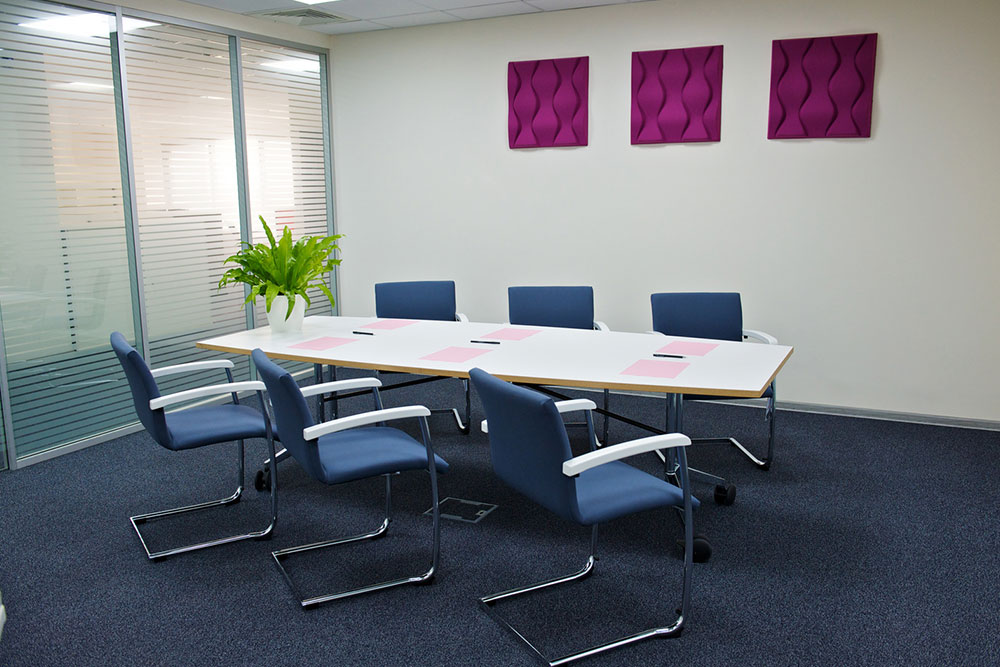
A furnished office is comfortable for employees and pleasing to clients, making it a favorable work environment. Furnishing an office is different from buying furniture for a home – one needs to consider various office requirements and what type of furniture employees would prefer. As a result, it can be challenging to zero in on the perfect furniture pieces at the first go. However, avoiding these common mistakes can help one choose the right furniture for one’s office:
Ignoring ergonomics
If an employee is unhappy at work, it affects the quality of their work. Comfortable, ergonomic furniture ensures an employee’s comfort and good posture. For example, because employees usually have to be sedentary at work the entire day, companies should invest in chairs with lumbar support and adjustable headrests and armrests, which can prevent back pain. Similarly, with adjustable desks, employees don’t have to crane their necks or bend over to access the computer or laptop screen – they can simply adjust the height of the desk to their eye level.
Not considering the size of the office
Stocking up furniture at the workplace is good, but not when there’s too much furniture and less room. This causes the office to look rather cramped and dingy, and there may not be enough space for employees to move about. So, before buying office furniture, one should consider the size of the office rooms and cabins, decide how many furniture pieces to buy, and what dimensions they should be.
Not taking employees’ opinions
Employees are the ones who would be using office furniture the most, so obviously, their opinion matters when making decisions regarding the type of furniture to buy. Employers can make this a fun activity by conducting a poll, survey, or even a drawing activity to gather employee feedback on how they envision their furnished office space and individual cabins.
Choosing uncoordinated colors
Furniture need not be of the same color as the walls in an office – contrasts can increase its appeal, but that doesn’t mean the colors should be totally uncoordinated. For example, a contrast of light and dark colors or different shades of the same color may be aesthetic, but two bright or two dark colors may not go well together. These aspects should be considered so that the visual appeal of the office remains intact.
Overlooking budgeting
With the variety of furniture available in the market today, it’s easy to end up splurging. But this also means that the company may face a financial crunch in the process. To avoid such situations, budgeting should be among the first steps when employers plan to buy office furniture. This budget should be estimated considering whether the office is currently unfurnished or semi-furnished, how many furniture pieces would be needed, the company’s current net earnings, the number of employees, the frequency of visitors, etc. The budget range should ideally have some buffer so that even if employers end up overspending, they don’t cross this upper limit.
Focusing only on the design
An aesthetic office is pleasing for employers, employees, and visitors, but furniture that is only visually appealing but doesn’t qualify on other factors is a white elephant. So, focusing only on design and aesthetics is not the right decision in the long run. One needs to consider a holistic picture involving different aspects, such as employee requirements and comfort, business processes, durability of the furniture piece, and reputation of the brand.
Not researching well
When buying furniture, it is not enough to simply research furniture in general – one should consider what furniture would qualify as suitable for the workplace. These days, brands differentiate products for homes and offices, focusing on ergonomics and other relevant aspects. Thus, employers should research brands specifically selling furniture for work and compare product features and prices. It is also a good idea to check online reviews of brands selling furniture for the workplace and take feedback from other entrepreneurs.
Ignoring the company’s broader objectives and mottos
These days, many companies do their bit for the greater good and set their company objectives in line with such intentions. In these cases, companies should consider such objectives even while buying furniture. For example, some companies may aim to reduce their carbon footprints. So, they should look for environmentally friendly furniture made of sustainable materials. This consideration takes the company a step forward in achieving its goals and sets an example for employees.
Not considering how employees would utilize the space
Employees utilize different parts of the workspace for different purposes, and the furniture in the different office rooms should reflect these purposes. For example, the conference room is meant for employees to interact with each other, so it makes sense to have broad tables and tall chairs so that many employees may be accommodated at once and can easily lean over and speak to each other comfortably. Whiteboards are also a must in such rooms because they are usually the milieu for brainstorming. Considering the utility of different rooms in the office can ensure that employees always put their best foot forward.
Not seeking guidance from a professional
An interior decorator or architect would know best what type of furniture would suit one’s office, while a furniture designer would understand the ergonomics, durability, etc. of furniture pieces. Employers should actively seek professional assistance when buying office furniture so that they only invest in the best and most useful ones.