10 Foods to Eat for Managing GERD
Gastroesophageal reflux disease, better known as GERD, occurs when stomach acid repeatedly flows back into the esophagus ( the tube that connects the mouth and stomach). This backwash or acid reflux can irritate the lining of the esophagus and even cause complications. Furthermore, certain types of foods, especially the ones rich in spices, may worsen the symptoms. Hence, making a few lifestyle modifications is advised to manage the condition. Here are 10 foods to eat to manage the condition.
Managing GERD – Foods to eat
Although many people experience acid reflux from time to time, when it repeatedly happens over time, it can lead to GERD. In most cases, people can manage the discomfort caused by GERD through certain lifestyle changes and treatments. Hence, here are some of the foods that can aid in the management of the condition.
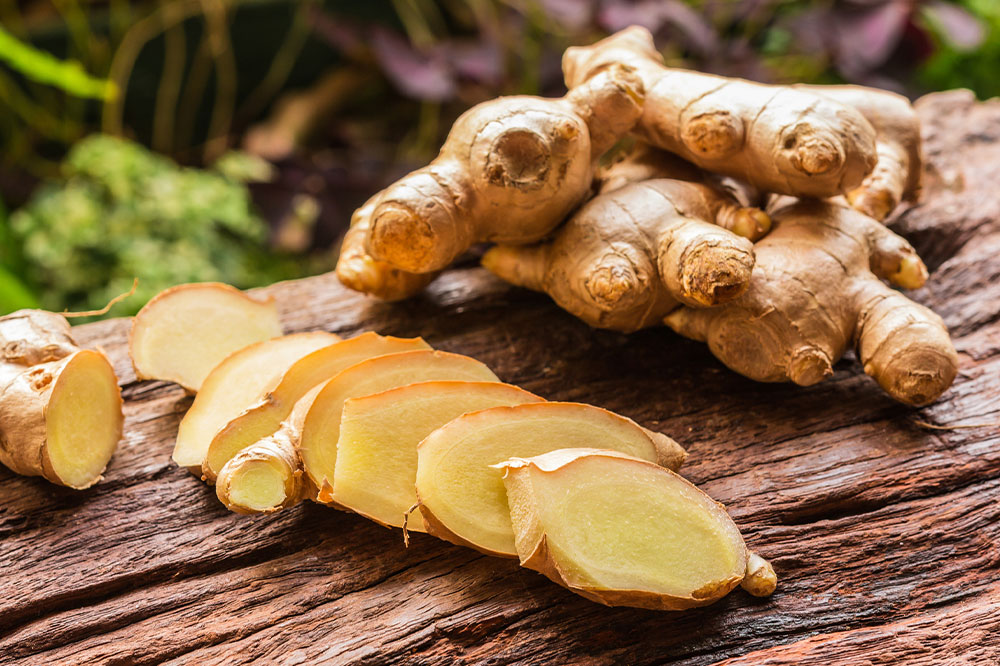
Ginger
Ginger has long been known for its anti-inflammatory properties. Hence it can be used as a natural treatment for heartburn and other existing gastrointestinal problems. One can add ginger to their meal plan in the form of smoothies and ginger tea. Furthermore, ginger root can also be added to recipes for added nutritional benefits.
Oatmeal
A breakfast favorite across households in the country, oatmeal is an excellent source of fiber. Multiple studies have shown that fiber-rich food effectively reduces the risk of acid reflux. Furthermore, oats also absorb stomach acid and reduce the symptoms of GERD, thus aiding in the management of the condition. Some other fiber-rich foods that GERD patients can safely consume include whole-grain rice and whole-grain bread.
Bananas
Another food item that GERD patients can consume is bananas. Healthcare professionals often suggest this fruit as a part of the bland meal plan that calms stomach acid and eases other GERD symptoms. Moreover, bananas contain pectin, a type of soluble fiber that helps food move through the digestive tract with ease. One can add bananas to their breakfast cereal or even consume them as smoothies to reap optimum benefits.
Chicken breasts
A type of lean meat that’s packed with proteins, chicken breast is also incredibly easy to digest. Furthermore, chicken breast can effectively reduce stomach acid levels when baked, grilled, or poached. However, one must remove the skin and bake or saute them properly before eating. One must also remember not to fry it, as fried foods are generally one of the worst agitators of acid reflux.
Yogurt
Yogurt is completely safe for consumption by GERD patients as it can ease an irritated esophagus. Moreover, yogurt provides the body with probiotics, which are helpful bacteria in the digestive tract that aid digestion. In addition, the food is also rich in protein which can help the body maintain optimum nutritional levels. However, patients with GERD must carefully check the labels and opt for the low-fat variety, as whole fats are harder to digest and can trigger GERD symptoms.
Broccoli
Green vegetables such as broccoli are known to prevent and even alleviate acid reflux. Moreover, broccoli is very low in fat and high in alkaline content, which can effectively offset the high pH of stomach acid. Some other green vegetables safe for GERD patients are asparagus, peas, and cucumbers. However, one must bear in mind the preparation of the vegetables and avoid using butter and margarine to saute the vegetables as it may worsen acid reflux and other symptoms of GERD.
Fennel
This crunchy vegetable does not only contain low acid levels but also has a mild licorice flavor that can soothe the digestive system. Furthermore, this vegetable can also soothe an upset stomach which is a known trigger of GERD and its associated symptoms. One can add fennel to their meal plan by roasting it and serving it as the main course, sauteing it as a side dish, or adding it in its raw form to salads.
Lettuce
GERD symptoms such as acid reflux can also make one feel gassy. Hence it’s suggested to skip the foods, such as dried fruits, that can worsen GERD symptoms. Instead, one can opt for mild vegetables like lettuce that are low in calories, easy on the stomach, and do not cause an increase in gas. Furthermore, lettuce ( a water-based alkaline-forming vegetable) has been shown to limit GERD and its associated symptoms.
Olive oil
Although the body needs fat to work effectively, fatty foods have been shown to worsen GERD and its symptoms. Hence, instead of using butter or margarine, one can opt for healthier options such as virgin olive oil to combat acid reflux and other symptoms. Furthermore, virgin olive oil contains high amounts of polyphenols – potent antioxidants and has been shown to improve the digestive system.
Potatoes
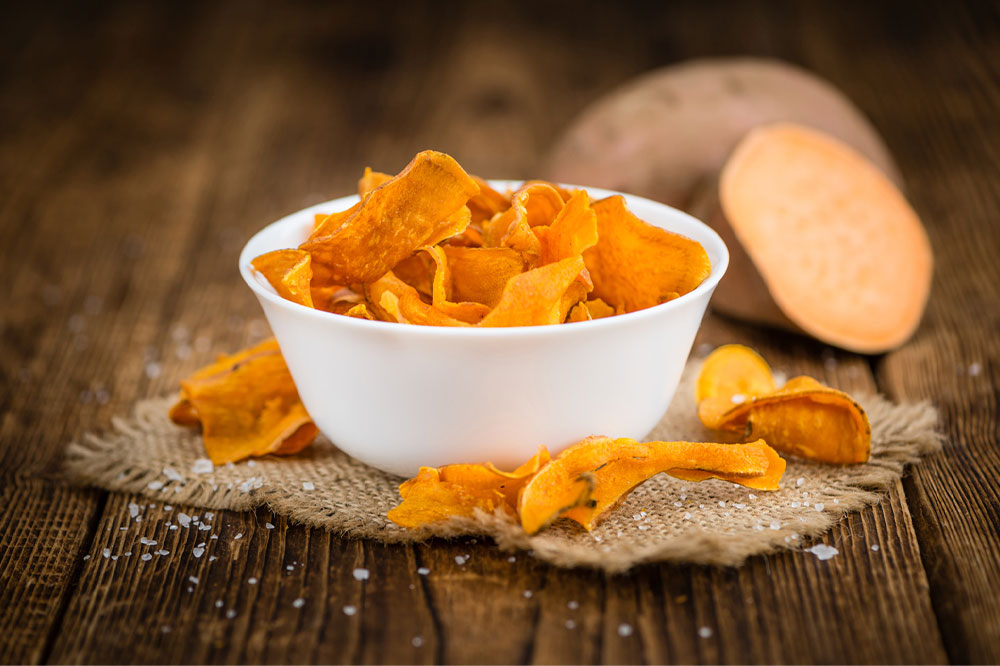
Root vegetables such as potatoes contain high amounts of easily digestible fiber, which can aid in the neutralization of stomach acid. Furthermore, potatoes also contain healthy complex carbs, which are digested slowly and release a steady stream of glucose into the bloodstream. However, patients with GERD are suggested to avoid fries and chips. Instead, one can choose mashed potatoes and plain pasta to meet their nutritional needs. Additionally, it’s advised not to cook potatoes with onions or garlic as it can cause irritation and discomfort.
In addition to including the foods mentioned above in the meal plan, one must also make sure to eat slowly in small portions to further reduce the risk of acid reflux and other GERD symptoms. Further, avoiding any potential GERD triggers, such as coffee, milk, chocolate, and carbonated beverages, is suggested to ease digestion.
Furthermore, one must look out for common GERD symptoms such as trouble swallowing, upper abdominal or chest pain, heartburn, ongoing cough, and inflammation of the vocal cords. If one notices such symptoms, one must seek medical advice immediately. This ensures a timely diagnosis and the formation of a treatment plan that works best for the patient.