10 Foods to Avoid For Better Eye Health
Maintaining good vision and overall well-being requires actively protecting the eyesight. While incorporating nutrient-rich foods into daily meals promotes eye health, it’s equally important to actively avoid certain foods that can have a negative impact. By understanding which foods to steer clear of, one can actively make informed choices to safeguard one’s precious eyesight. So, let’s learn more about nutrition and how to keep the eyes healthy by avoiding certain foods.
Candies
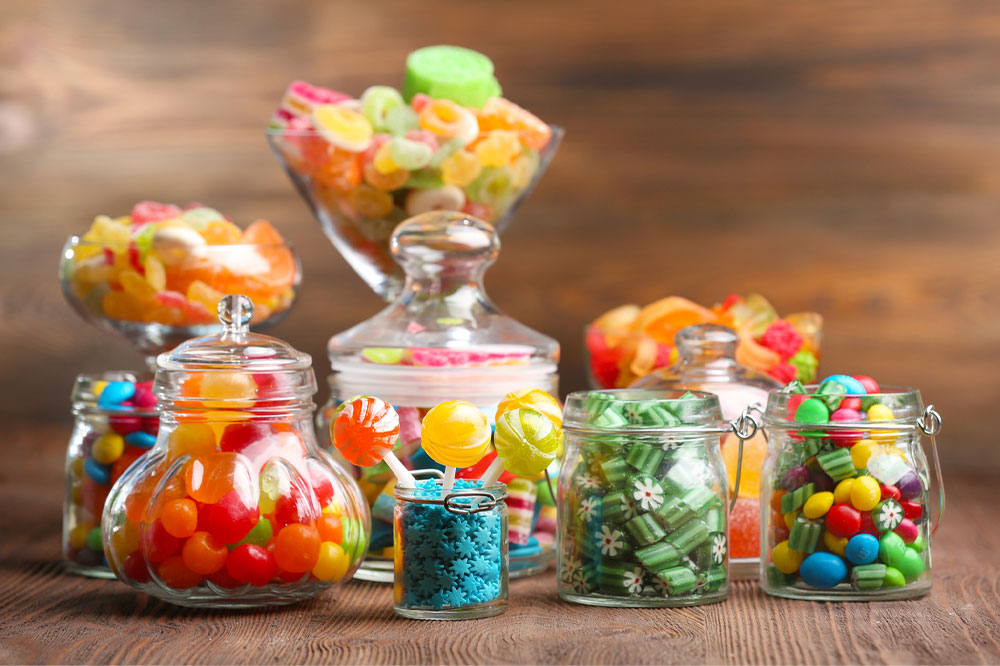
Candies are difficult to pass up. Who wouldn’t want to satiate their sweet tooth with a snack that can easily fit into the pocket and provide immense satisfaction immediately? However, this sugar rush could cost one eye health. Excessive intake of sugary foods and beverages has a negative impact on the eyes, teeth, skin, hair, digestion, kidneys, liver, and other vital organs. High sugar intake is linked to a higher risk of developing age-related macular degeneration (AMD) and diabetic retinopathy. It is best to avoid sugary treats like candies, cookies, sodas, and sweetened juices to protect one’s vision and overall well-being.
French fries
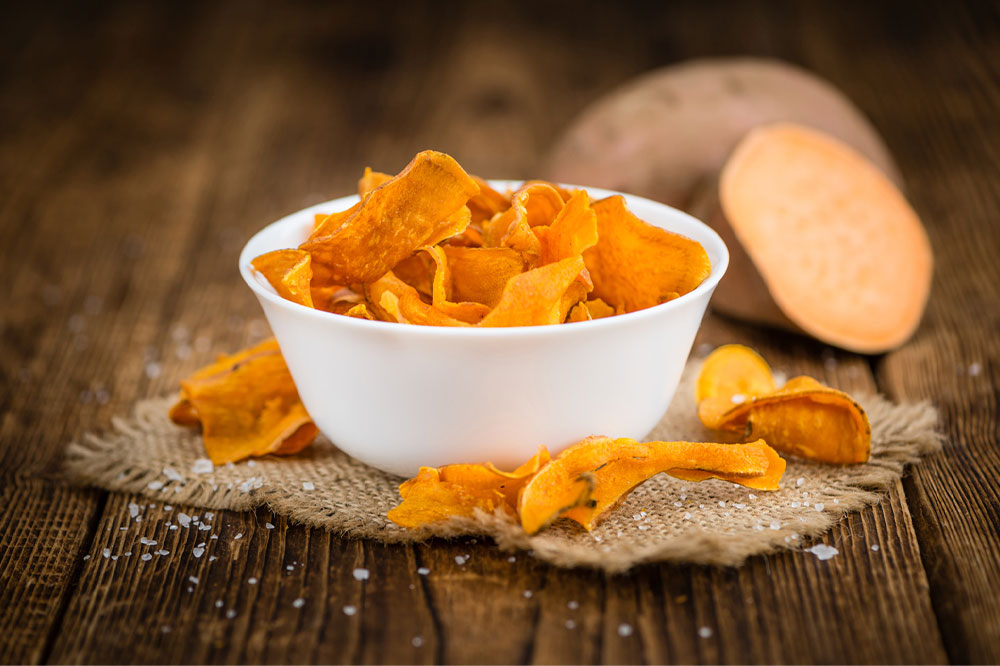
Consuming fried and processed foods on a regular basis can lead to a decline in overall health, including eye health. Most packaged foods come with unhealthy quantities of trans fats and sodium. They can cause an increase in the amount of inflammation the body has to deal with. In addition, people fond of processed foods also have to deal with clogged arteries and impaired blood circulation. Healthier alternatives include baked, steamed, and grilled whole foods that are rich in nutrients and support eye health.
Salt
Excessive sodium intake can have a detrimental effect on the eyes. When one’s body has too much sodium, it tends to retain water. When this happens near the eyes, one is left with undereye bags and puffy eyelids. In addition, foods high in salt content can also contribute to higher blood pressure levels. It can further be a risk for conditions such as glaucoma. It is, therefore, important to avoid or limit the intake of such foods for better eye health. This includes minimizing one’s intake of processed snacks, canned soups, fast food, and pre-packaged meals.
Trans fats
Processed foods are among the top sources of trans fats in regular meals. They can contribute to developing eye-related conditions such as AMD and cataracts. To limit or altogether avoid the intake of trans fats, it is important to keep an eye out for foods like butter, full-fat dairy, red meat, and other foods that have hydrogenated oils in them. Commercially baked foods also fall under the same category. Instead, opt for healthier fats like those found in avocados, nuts, seeds, and fatty fish.
Caffeine
Giving up caffeine can be a challenging task. However, it is possible to continue consuming it in moderation without any issues. But, overdoing coffee is a guilty fact most coffee lovers will be able to agree to. While moderate caffeine intake is generally safe for most individuals, excessive consumption can lead to eye-related issues. High levels of caffeine in the body can cause dehydration. It can result in discomfort of the eye and dryness. Remember to hydrate before and after having caffeinated beverages like energy drinks, coffee, and other teas. Maintaining hydration levels can significantly control the impact excessive coffee might have on eye health.
White bread
White bread, white rice, processed cereals, and white pasta are all sources of refined grains. These foods are devoid of essential nutrients necessary for maintaining good eyes and overall health. The refining process strips these grains of their vitamins, minerals, and natural fibers, leaving nothing except empty calories. Instead, choose whole grains like whole wheat bread, brown rice, quinoa, and oats to provide the eyes with important nutrients and support overall eye health.
Artificial sweeteners
Artificial sweeteners have gained quite a following as a healthier alternative to refined sugar and the empty calories it carries. However, overdoing artificial sweeteners can also have a negative impact on one’s health, including the eyes. Research suggests that artificial sweeteners can contribute to the added risk of conditions like diabetic retinopathy. To avoid this risk and other poor eye health outcomes, it is better to avoid sugar-free candies, sugar-free sodas, and other packaged foods that claim to contain sugar-free alternatives.
Ready-made dressings
Sauces, ketchup, and other meal dressings are a deliciously divine way of adding dimension and taste to daily meals. It is also a convenient way of making the meals unhealthy. Contrary to popular belief, simply being fat-free or sugar-free does not automatically mean that the food being sold is healthy. Table dressings and sauces make meal prep easier. However, these contain high amounts of fats and sugar. Making these foods a regular part of one’s daily meals can increase the risk of macular degeneration. This can cause blind spots in one’s central vision. Instead of shop-bought salad dressings and sauces, one must opt for homemade fresh ones with natural ingredients. Vinegar and extra virgin olive oil are healthier alternatives for making sauces and dressings at home.
Swordfish
Fish like sharks, swordfish, and king mackerel are known for their high mercury content. When consumed regularly, this can lead to the mineral being accumulated in the body and have a lasting impact on one’s health. One of the detrimental effects of high mercury in the body includes poor eye health and vision impairment. For nutritious meals and better eye health, it is best to opt for low-mercury fish options like salmon, trout, and sardines to reap the benefits of omega-3 fatty acids without the risk of mercury toxicity.
Red meat
Red meat in large quantities can be harmful for numerous reasons. It can increase the risk of age-related health conditions, including AMD and cardiovascular diseases. It is a protein source that is also rich in fats and lacks protective nutrients one can get from other protein sources. Legumes, fish, chicken, and tofu, are much healthier and safer protein alternatives one can try.