10 common warning signs of poor blood circulation
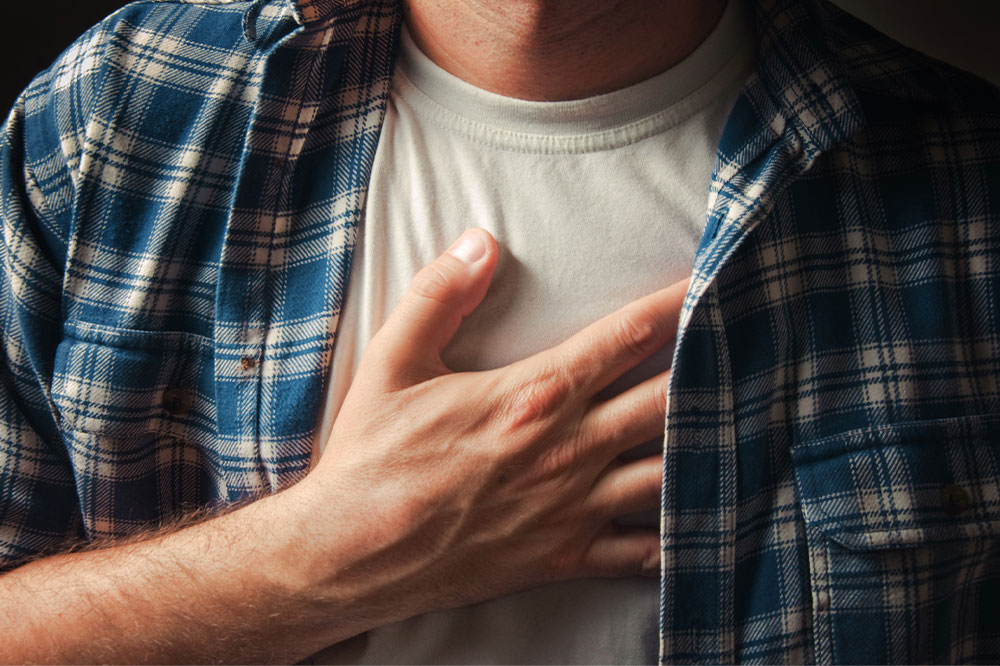
The circulatory system is responsible for transporting nutrients, blood, and oxygen to different body parts. This system majorly comprises the arteries, nerves, and the lymphatic system. Sometimes, plaque build-up, blood clots, and narrowed blood vessels affect the circulatory system’s functioning. In such cases, blood flow is affected, which can prove fatal. The following are the top ten warning signs of poor blood circulation that demand a timely visit to a healthcare professional.
Numbness and tingling in the extremities
Numbness and tingling in the hands and feet are among the most common signs of poor circulation. As a result of the restricted or inadequate blood flow, people often feel like they are losing sensation in their hands and legs or develop a prickling feeling. These discomforts may also result from a vitamin B12 deficiency or pernicious anemia, which can cause nerve damage and impair the supply of oxygen in the body. If ignored, these symptoms can lead to peripheral neuropathy over time.
Cold hands and feet
Improper circulation can result in temperature fluctuations in the nerve endings in the hands and feet, making them feel cold to the touch. Cold hands and feet may also be a warning sign of Raynaud’s syndrome, which causes the smaller arteries to become narrower and restricts blood flow. A sedentary lifestyle, especially one that requires sitting at a desk all day, may reduce circulation to the legs, causing cold feet. People with high cholesterol may also experience cold hands and feet because of reduced circulation due to plaque formation in the arteries.
Swelling in the lower body
As a result of poor circulation, some people experience fluid accumulation in specific body parts, especially those in the lower half. The condition is known as edema, and it generally affects the legs, ankles, and feet. Edema may also be a sign of heart failure. It occurs when the heart’s chambers cannot pump blood properly, causing blood to accumulate in the lower extremities. Other symptoms of blood accumulation in the lower extremities include heaviness, swelling, warm skin, stiff joints, and pain in the affected areas.
Cognitive dysfunction
Improper blood circulation can affect the brain’s functioning, causing memory loss and difficulty concentrating. In some cases, it can also lead to vascular dementia. The symptoms of vascular dementia include trouble concentrating, general confusion, sudden headaches, numbness or paralysis of one side of the body, difficulty paying attention, difficulty analyzing problems or situations, irritation, depression, mood changes, and personality changes.
Gas and bloating
The digestive system heavily relies on blood flow for proper functioning. As a result, poor circulation can cause gastrointestinal issues like bloating, abdominal pain, gas, cramps, diarrhea, bloody stools, or constipation. These discomforts can further affect sleep and lead to tiredness.
Fatigue
Improper blood supply to the muscles can cause them to become tired quicker. It can also lead to mental fatigue and stress, causing one to feel sleepy more often and experience difficulty concentrating. Other symptoms of fatigue include apathy, lack of motivation, daytime drowsiness, slower response time, headaches, irritability, moodiness, and visual problems like blurriness.
Joint pain and muscle cramping
Poor blood flow implies that the muscles and tissues in the body do not receive adequate nutrients and oxygen. This can lead to cramping and stiffness. Individuals may experience an aching sensation when the blood flow starts to return to normal levels.
Skin color changes
Circulation problems can make the skin look paler than usual. The discoloration is particularly noticeable around the nose, lips, ears, nipples, hands, and feet. Skin color changes commonly occur when one develops venous insufficiency, wherein the veins in the legs do not function properly, making it difficult for the blood to return to the heart. It can lead to symptoms like brown or reddish staining of the skin above the ankles, swollen ankles, dry skin, itchy skin, wounds on the lower legs, and prominent veins.
Leg ulcers
Due to poor circulation, the body does not receive adequate nutrients required to heal wounds. This can lead to the formation of ulcers in the legs and feet. The common symptoms of skin ulcers include discoloration of the skin, itching, scabbing, swelling of the skin near the ulcer, dry or flaky skin around the ulcer, pain or tenderness, foul odor, hair loss around the ulcer, and clear, bloody, or pus-filled discharge from the ulcer.
Varicose veins
Varicose veins could be both a cause and an effect of poor blood circulation. The condition generally affects people who spend long hours standing. When affected by it, the blood in the legs and feet cannot return to the heart efficiently. Instead, it pools in the region and causes itchiness, swelling, heaviness, and aches in the legs. The veins in the area also appear knotted.
Several health conditions can impact circulation. A few prominent examples include peripheral artery disease, blood clots, diabetes, and Raynaud’s disease. Individuals must visit their doctor immediately if they begin to experience the warning signs of poor blood circulation, such as tingling and pain. Early diagnosis and treatment can help prevent complications.
How are circulatory problems diagnosed and treated?
Since poor circulation may result from different health conditions, doctors conduct tests to determine the cause. These may include physical exams, health history evaluations, overall health examinations, antibody blood tests, D-dimer tests, ultrasounds, CT scans, blood pressure tests, and blood tests to evaluate a person’s blood count, blood sugar, kidney function, and cholesterol.
Depending on the cause, doctors prescribe a treatment plan to improve blood circulation. Common remedies include:
- Using compression socks for swollen legs or mild varicose veins
- Following an exercise program
- Making lifestyle changes to improve circulation
- Opting for laser or endoscopic vein surgery for varicose veins
- Increasing the intake of vitamin E, antioxidants, folic acid, niacin, and beta-carotene