10 common types of water treatment systems
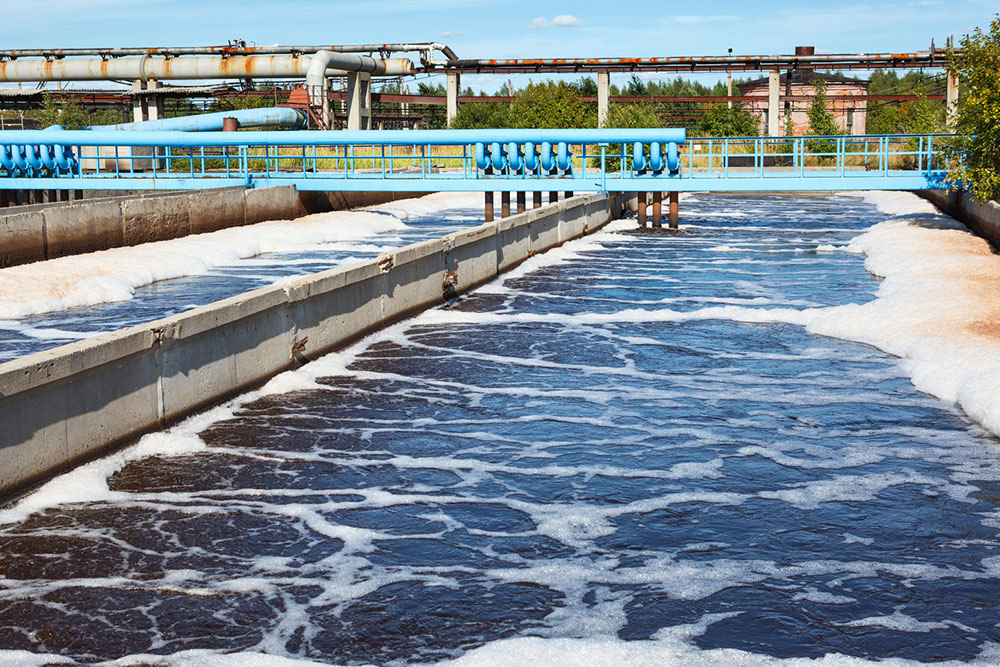
Water treatment systems involve complex procedures to mainly improve the quality of water around residential and commercial areas, not just for drinking but also for irrigation and industrial uses. It involves various steps, from removing contaminants and pollutants in the water to purifying it. These systems ensure that everyone gets access to clean and safe water for different applications. Here are some of the most common types of water treatment systems.
Reverse Osmosis (RO)
This water treatment method is among the most popular approaches for purifying drinking water. It removes bacteria and toxins like fluoride, arsenic, nitrates, copper, hexavalent chromium, radium, and others from the drinking water using filtration. It basically pushes the contaminants on one side and allows only clean, purified water to pass through. The system is relatively slower since it purifies water as it comes for the end use and may reduce the water pressure.
UV systems
UV systems mainly sterilize drinking water and get rid of harmful bacteria and viruses that may pose health risks using ultraviolet light. This system is used in conjunction with other types of water treatment systems to also remove contaminants to make the water safe for drinking.
Distillation
Another popular water treatment system is distillation, mainly used for small scale or private projects like wells. This generally falls under the costlier systems but produces over 99% of pure water. Distillation involves heating the water and collecting the evaporated vapor, then cooling it back to its liquid form. The process may involve using activated-carbon block filters along with other methods like particle filtration, and water softening.
Activated carbon
Here, the activated carbon attracts and absorbs contamination during the process of filtration and effectively removes these impurities from the water along with it. It is mainly used to filter out chlorine, chloroform, volatile organic compounds (VOCs), agricultural chemicals, pesticides, magnesium, and other heavy metals. This is also another common water filtration and treatment system to remove toxins and purify local drinking water.
Filtration
The process of filtration has many steps. Coagulation is usually the first step where positively charged chemicals are introduced to the water to neutralize the negatively charged dirt and other contaminants. Salts, aluminum, or iron is typically used for this treatment. Following this, the flocculation step involves adding additional chemicals to form flocs, which are larger and heavier particles that can be easily removed for water purification. The last step of sedimentation ensures that these heavy flocs settle down at the bottom of the water and are thoroughly removed. This method is used mainly in treating community water systems.
Water Softeners
This is another common method used for household water treatments. It reduces the water hardness caused by excess calcium or magnesium ions in the water, using sodium or potassium ions.
Ion Exchange
As the name suggests, this water treatment system exchanges harmful contaminants that affect health negatively like nitrate, arsenic, sodium, fluoride, iron, and more with harmless ions. It uses water softening or demineralizing techniques to merely change the chemistry of the water and make it safe to drink without altering its purity level. It is used widely in commercial and residential drinking water projects.
Neutralizing filters
This system is used when the raw water pH is either equal to or more than 6.0, which means that the water is corrosive and not suitable for consumption or other applications due to its acidic nature. Hiking the pH of the water to a more neutral or alkaline level also ensures that it does not affect the household pipes, as well as equipment and infrastructure, through which it passes.
Chemical disinfection
This disinfection is used majorly for private water systems and uses chlorine, ozone, or hydrogen peroxide for the purpose. Ozone and hydrogen peroxide are relatively less common chemical disinfectants. Chlorination, on the other hand, uses liquid chlorine feed-systems or erosion chlorination systems to treat the water. The end result removes common contaminants. To get rid of the chlorine odor or taste, one can use carbon filters as an extension of the water treatment.
Aeration
Here, the aim is to increase the oxygen content in the water by introducing new air or oxygen in it. It is mainly used to treat foul taste and odor problems and remove harmful chemicals or gases in the water like hydrogen sulfide, methane, carbon dioxide, iron, manganese, and others. Aeration also bumps up the pH level of the water. The system, however, needs to be customized for each contamination, which is why certain tests are recommended to check the current contents of the water.
Before one considers these water treatment systems, one should remember that each of these come with its own set of limitations and advantages. They are also used for different purposes and applications, although the end result is basically to have access to clean, safe, and sustainable water supply, preserve public health, and also ensure environmental preservation. There are several factors that determine which treatment may be best for one’s specific needs and circumstances, like characteristics of the source water, objectives of the treatment, regulatory standards, and available resources. In most cases, experts may recommend using a combination of different treatments to achieve the end goal.