10 common menstrual hygiene mistakes to avoid
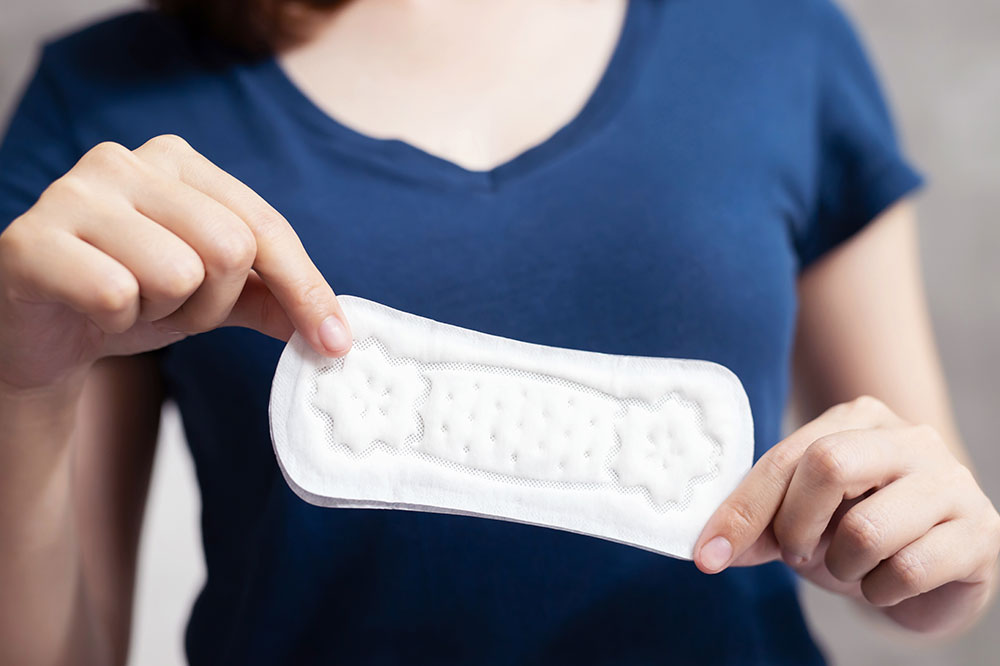
Menstrual health and hygiene can significantly impact a woman’s health and well-being. But despite its significance, many women still struggle to sift through the misconceptions and misunderstandings surrounding the menstrual cycle. Some mistakes related to that time of the month can range from using the wrong type of products to neglecting proper cleaning. Knowing these common but harmful mistakes can empower women with the knowledge they need to lead healthy lives.
Using scented products
Scented products like toilet paper, sanitary napkins, and tampons sold with attractive packaging may feel comforting and fragrant, but they contain harmful chemicals. These chemicals are usually added to eliminate foul odor, but they also interfere with the pH level of a woman’s body during periods. Additionally, they can irritate the sensitive skin around one’s genitals and cause a burning sensation or infections due to repeated use. Instead of scented products, one can opt for natural products free of fragrance and additives. Besides that, one way to eliminate the foul smell is to use plain water to maintain vaginal health naturally.
Over-washing intimate area
One must remember that vaginal discharge is not always a cause for concern. At times, it may be more or less, varying from one menstrual cycle to another or even through one’s lifetime. Washing the vagina or vulva too often or roughly can rid the intimate area of its pH balance. This can make one vulnerable to yeast or bacterial infections. This, in turn, can cause irritation, dryness, or inflammation. Washing one’s intimate area with only water is best to avoid chemicals entering the system.
Using harsh soaps
Using harsh chemical soaps or hygiene products can damage the vaginal tissues, leading to complications such as bacterial or fungal infections. It’s ideal to use perfume-free natural soap or any treatment products recommended by one’s gynecologist specific to one’s needs.
Trying to numb the pain
Period pain and cramps are common phenomena. This usually happens because the uterine muscles contract to shed tissues during the menstrual cycle, and the body briefly cuts off the uterine’s oxygen supply. These contractions release hormones that induce pain. But using oral treatments to numb or reduce this pain can have adverse side effects on one’s body over a long time. So, the best way to ease the discomfort is to use natural remedies, like placing a hot bag on one’s lower belly or lower back, resting or lying down as necessary, or eating anti-inflammatory and soothing foods rich in nutrients. Some foods that can provide comfort and supply essential nutrients to one’s body during menstruation include bananas, ginger tea, chamomile tea, dark chocolate, fatty fish, avocados, oranges, warm water, turmeric milk, and yogurt. While some foods mentioned here are rich in iron, potassium, and magnesium, some are antioxidants and have anti-inflammatory properties. Similarly, a heating pad or hot water bag can ease discomfort and contractions.
Not tracking periods
This is an essential but often neglected activity. So, tracking one’s menstrual cycle can help identify patterns, track symptoms, and prepare for one’s period in advance. One can get altered by any changes in one’s cycle, if any, and help one to detect any medical condition or health concerns in time. The type of flow and cramps can help identify any potential health risks. Additionally, those wanting to conceive or avoid pregnancy can know their fertile days by tracking their cycle. By keeping a record of the period, one can take charge of one’s menstrual health and make informed decisions about one’s body.
Not using protection
During menstruation, the cervix naturally dilates, making women more vulnerable to sexually transmitted infections (STIs) and pelvic inflammatory disease (PID) during intercourse. Therefore, it’s essential to use appropriate precautions during this period to avoid the risk of infection.
Not changing tampons regularly
Changing sanitary napkins or tampons every three to four hours during heavy or normal flow is advisable. Changing sanitary napkins or tampons every three to four hours is advisable. This can lead to foul odor, hamper one’s health, and put one at risk of developing infections. Toxic shock syndrome is one of the toxins released from bacteria in one’s bloodstream and affects overall health.
Not drinking water
Menstruation brings hormonal changes, and dehydration can aggravate its symptoms. For example, Dehydration can lead to headaches, alleviated cramps and irritability, cause fatigue, constipation, and even mood swings. Drinking water also helps the body flush toxins. Doctors recommend drinking at least 8 to 10 glasses of water daily. One may consider increasing the amount during the menstrual cycle.
Not eating proper meals
The body retains water during menstruation as the estrogen levels drop, which leads to bloating. A lot of times, one may not feel like eating anything due to the bloating, but this can impact one’s health, especially during older age. Lack of balanced meals during this time can cause abdominal muscle pain, weakness, lower blood sugar levels, and cause dizziness or mood swings. On the other hand, eating sufficient nutritious foods can help one feel energized and avoid alleviating the risk of developing anemia.
Not resting enough
Today, women tend to spread themselves thin trying to get through their busy work and home life, even adding intensive workout routines, whether on their periods or not. But one needs to remember that the woman’s body is more prone to tiring out during this time and may need more rest than on regular days. Ignoring the body’s cry for rest and pushing through the day can affect one physically and emotionally, leading to heightened mood swings or irritability. As an alternative to a gym workout, one can opt for low-impact activities like walking, hip stretching, cycling, yoga, or swimming, which can also help ease cramps.